
Cancer Risk: Genes vs. Lifestyle—Which Matters More?
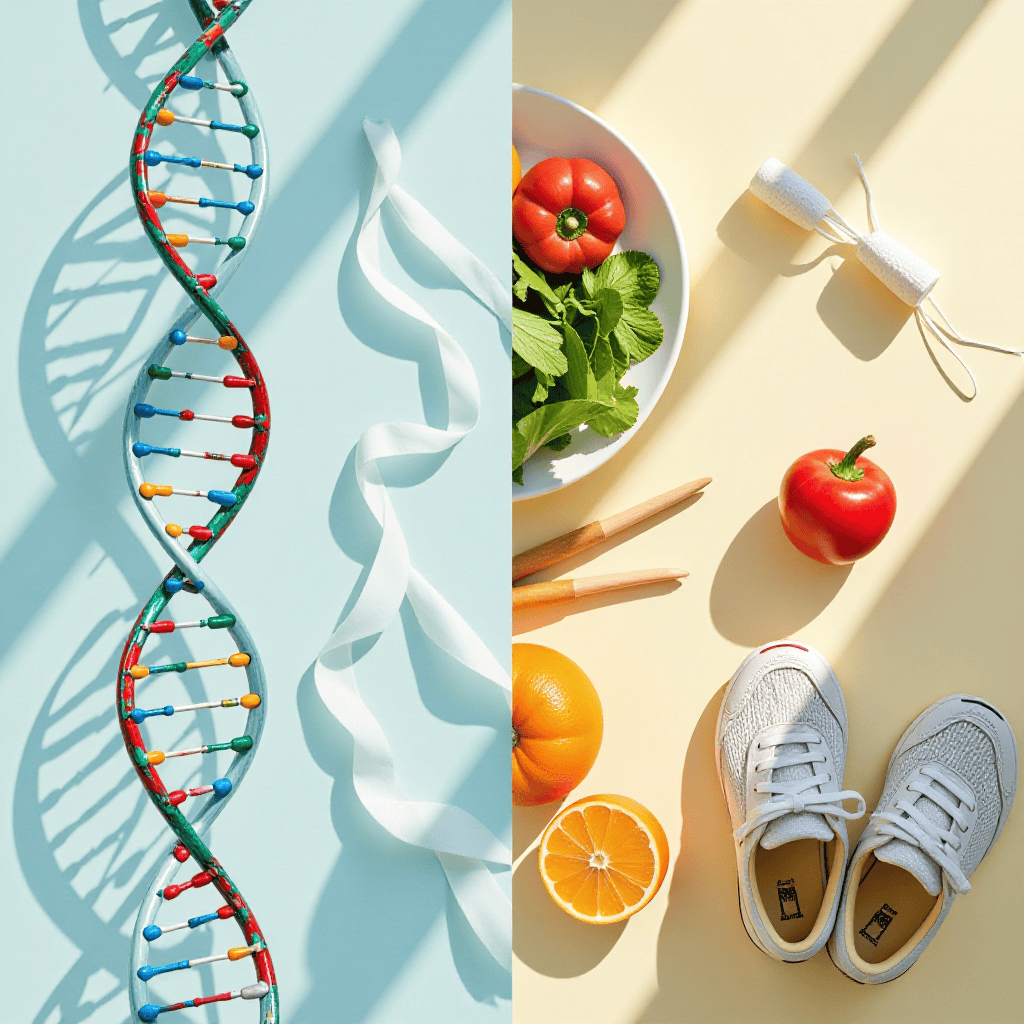
Many patients believe that cancer is primarily written into their DNA—that a “clean” genetic test or no obvious family history means low risk. That idea feels comforting but dangerously oversimplifies the reality. Modern research shows that while inherited genes matter for a minority of people, most cancer risk is shaped by modifiable lifestyle and environmental factors.
Quick Takeaways
- 5–10% of cancers are primarily caused by inherited genetic mutations.
- 90–95% of cancer risk is influenced by environmental and lifestyle factors.
- 30–50% of cancers may be preventable through lifestyle changes (WHO estimates).
- High-risk genetic carriers follow different screening schedules—discuss with a specialist.
- Even with genetic risk, lifestyle, screening, and early detection shape outcomes.
What Percentage of Cancer Risk Is Genetic vs. Lifestyle?
Clear numbers help separate myth from evidence. Twin studies and large epidemiologic analyses consistently demonstrate that only about 5–10% of cancers are attributable to inherited genetic mutations. Classic familial syndromes—BRCA1/2, Lynch syndrome, Li-Fraumeni—are important but relatively uncommon. By contrast, the combination of diet, body composition, tobacco use, alcohol, infections, environmental toxins, and metabolic health explain most of the remaining variation in cancer incidence across populations.
Put simply: your genes set the baseline; your environment and daily choices strongly influence the trajectory. That is the core concept behind this pillar: cancer risk genes vs lifestyle is not an either/or contest—both matter, but for most people, lifestyle matters more and is far more actionable.
The Myth of Genetic Destiny (and Why It’s Dangerous)
Direct-to-consumer genetic tests and media stories can create false reassurance or fatalism. A “negative” result for a limited panel of variants does not mean “low risk.” Conversely, a positive mutation is not an absolute sentence. The right interpretation requires clinical genetic counseling, a careful family history, and a personalized screening plan.
Important Note: When Genetic Testing Matters
If you have a strong family history—multiple relatives with early-onset cancers, known ancestry-related risks (e.g., Ashkenazi Jewish BRCA founder variants), or patterns suggestive of syndromes like Lynch—genetic counseling and targeted testing are essential. This article focuses on the majority of people without high-risk mutations, but if your family history raises concern, discuss genetic evaluation with your clinician.
What Actually Drives Most Cancer Risk?
Here are the main modifiable contributors supported by robust evidence:
Tobacco
Tobacco is the single largest preventable cause of cancer worldwide. It contributes to lung cancer and increases risk for cancers of the bladder, pancreas, cervix, stomach, and more. Globally, tobacco use is responsible for nearly 1 in 4 cancer deaths (≈22%) (WHO).
Diet, Weight, and Metabolic Health
Excess adiposity and metabolic dysfunction are linked to at least 13 cancers and may account for roughly 7–8% of cancers in the U.S. (American Cancer Society). Mechanisms include chronic inflammation, insulin resistance, elevated growth factors such as IGF-1, and activation of nutrient-sensing pathways like mTOR, all of which can promote cellular proliferation and inhibit normal repair processes. In short: metabolic health—not just the number on the scale—is a powerful and modifiable driver of cancer biology.
Physical Inactivity
Regular activity lowers inflammation, improves insulin sensitivity, and supports immune surveillance—each a protective force against tumor formation.
Alcohol
Alcohol metabolism produces acetaldehyde, a carcinogen. Even moderate drinking raises risk for breast, colorectal, liver, and other cancers.
Infections
HPV, hepatitis B and C, H. pylori, and EBV are proven causes of specific cancers; vaccination and treatment reduce that risk markedly.
Environmental Exposures
Some environmental carcinogens are highly specific and preventable. For example, asbestos exposure in older buildings increases mesothelioma and lung cancer risk; long-term exposure to certain water contaminants such as PFAS has been linked to cancer outcomes in some studies; and outdoor air pollution (fine particulates) raises lung cancer risk. Reducing exposure where possible—remediation of asbestos, ensuring safe water supplies, and advocacy for cleaner air—matters at both personal and policy levels.
Genetics vs. Environment: A Clear, Actionable Visual
| Genetic Factors (~5–10%) | Environmental & Lifestyle (~90–95%) | What You Can Do |
|---|---|---|
| BRCA1 / BRCA2 mutations | Tobacco use, secondhand smoke | Genetic counseling, Enhanced screening |
| Lynch syndrome | Excess body fat, metabolic syndrome | Targeted surveillance, Improve metabolic health |
| TP53, APC, other high-risk variants | Alcohol consumption | Risk discussion, Limit alcohol |
| Strong multi-generational history | Diet low in fiber, high in processed meats | Family history review, Eat whole foods |
| Inherited susceptibility variants | Infections (HPV, HBV/HCV), UV, pollutants | Vaccinate, Sun protection, Reduce exposures |
Cancer Risk by the Numbers
- 5–10% – Cancers primarily caused by inherited mutations.
- 90–95% – Cancer risk influenced by environmental & lifestyle factors.
- 30–50% – Portion of cancers estimated preventable by lifestyle (WHO).
- Nearly 1 in 4 (≈22%) – Cancer deaths attributable to tobacco globally (WHO).
- 7–8% – U.S. cancers linked to excess body weight (ACS estimates).
BRCA Example: An Important Nuance (with Source)
High-risk mutations deserve special attention. For example, BRCA1 mutations have been associated with an estimated lifetime breast cancer risk in the range of about 55–72% in multiple large studies and authoritative summaries (see National Cancer Institute BRCA fact sheet). That elevates risk substantially and justifies enhanced screening, genetic counseling, and risk-reduction discussions. Still, even among carriers, lifestyle, surveillance, and preventive options influence outcomes—genetic risk sets a higher baseline but not an unavoidable fate.
Source: National Cancer Institute — BRCA1 and BRCA2: Cancer Risk and Genetic Testing.
7 Evidence-Based Ways to Reduce Cancer Risk
These steps are evidence-based, practical, and actionable.
- Stop tobacco and avoid secondhand smoke. This single action yields the largest reduction in preventable cancer risk.
- Improve metabolic health. Aim for healthy body composition and manage insulin resistance—insulin and related growth factors like IGF-1 can stimulate cell proliferation, while nutrient-sensing pathways such as mTOR link excess nutrient states to increased cancer-promoting signaling. Treating metabolic syndrome and improving glucose regulation reduce these pro-growth signals.
- Limit alcohol. Lower consumption reduces risk for multiple cancers.
- Eat a plant-forward, whole-foods pattern. High fiber, low processed meats, and a variety of vegetables and fruits support a protective microbiome and metabolic benefits.
- Move daily. Aim for at least 150 minutes of moderate activity weekly plus strength work; even small increases matter.
- Get vaccinated and treat infections. HPV and hepatitis B vaccination prevent related cancers; treat H. pylori when appropriate.
- Follow screening guidelines—and personalize them if you are high risk. Standard schedules are for average-risk patients. If you have a family history or known mutation, follow a specialist’s plan (earlier mammography/MRI, more frequent colonoscopy, etc.). Learn more about breast cancer screening.
What to Do Right Now: A Practical Checklist
- This week: Schedule any overdue age-appropriate screenings (mammogram, colonoscopy, skin check).
- In the next 3 months: Review and document your family history—share it with your clinician.
- This year: Pick one modifiable goal (quit smoking, reduce alcohol, lose 5% body weight, add 30 minutes of activity most days).
- If family history is strong: Request a referral for genetic counseling and discuss an individualized screening plan.
A Balanced Reminder
Lifestyle changes significantly reduce risk but do not eliminate it entirely. People who do everything “right” can still develop cancer—this is why screening and early detection remain vital alongside prevention. Avoid blame; focus on actions you can take now.
References & Further Reading
Authoritative sources for the figures and recommendations above:
- World Health Organization — Cancer Fact Sheet
- American Cancer Society — Cancer Prevention Guidelines
- National Cancer Institute — BRCA1 and BRCA2: Cancer Risk and Genetic Testing
- NIH/PMC — Modifiable Risk Factors and Cancer (review)
- Lichtenstein et al., Twin study (classic environmental vs heritable analysis)
- CDC — Cancer Prevention
- EPA — PFAS (per- and polyfluoroalkyl substances)
- CDC/NIOSH — Asbestos Information
Speak with your clinician: This article is educational and not a substitute for individualized medical advice. Discuss your personal risk, family history, and screening schedule with your health care provider.
Table of Contents
Are most cancers caused by genetics?
No. Only about 5–10% of cancers are primarily caused by inherited genetic mutations. The majority of cancer risk is influenced by environment and lifestyle factors.
What cancers are most affected by lifestyle?
Colorectal, breast, endometrial, liver, kidney, pancreatic, esophageal, and many other cancers are strongly influenced by factors like weight, diet, alcohol, and physical activity.
If I test negative for BRCA, am I safe from breast cancer?
No. A negative BRCA test reduces the likelihood that hereditary BRCA-related risk is present, but it does not eliminate breast cancer risk. Most breast cancers occur in people without BRCA mutations. Continue age-appropriate screening and healthy lifestyle practices, and discuss any family history concerns with your clinician.
Does having a family history mean I will get cancer?
No. Family history can increase risk, but it doesn’t guarantee disease. Strong patterns should prompt genetic counseling. Shared lifestyle patterns in families may also explain some increased risk.
Can lifestyle changes really lower my cancer risk?
Yes. Stopping smoking, improving metabolic health, limiting alcohol, increasing physical activity, following screening, and getting vaccinated (HPV, HBV) all reduce cancer risk.

Life in Balance MD is led by Dr. Amine Segueni, a board-certified physician dedicated to delivering clear, evidence-based health insights. His passion is helping readers separate facts from myths to make smarter, healthier choices. Content is for educational purposes only and not a substitute for medical advice.
- Amine Segueni, MD

- Amine Segueni, MD

- Amine Segueni, MD

- Amine Segueni, MD