
Taming the Tide — 11 Powerful Natural Ways to Reduce Anxiety and Regain Your Calm
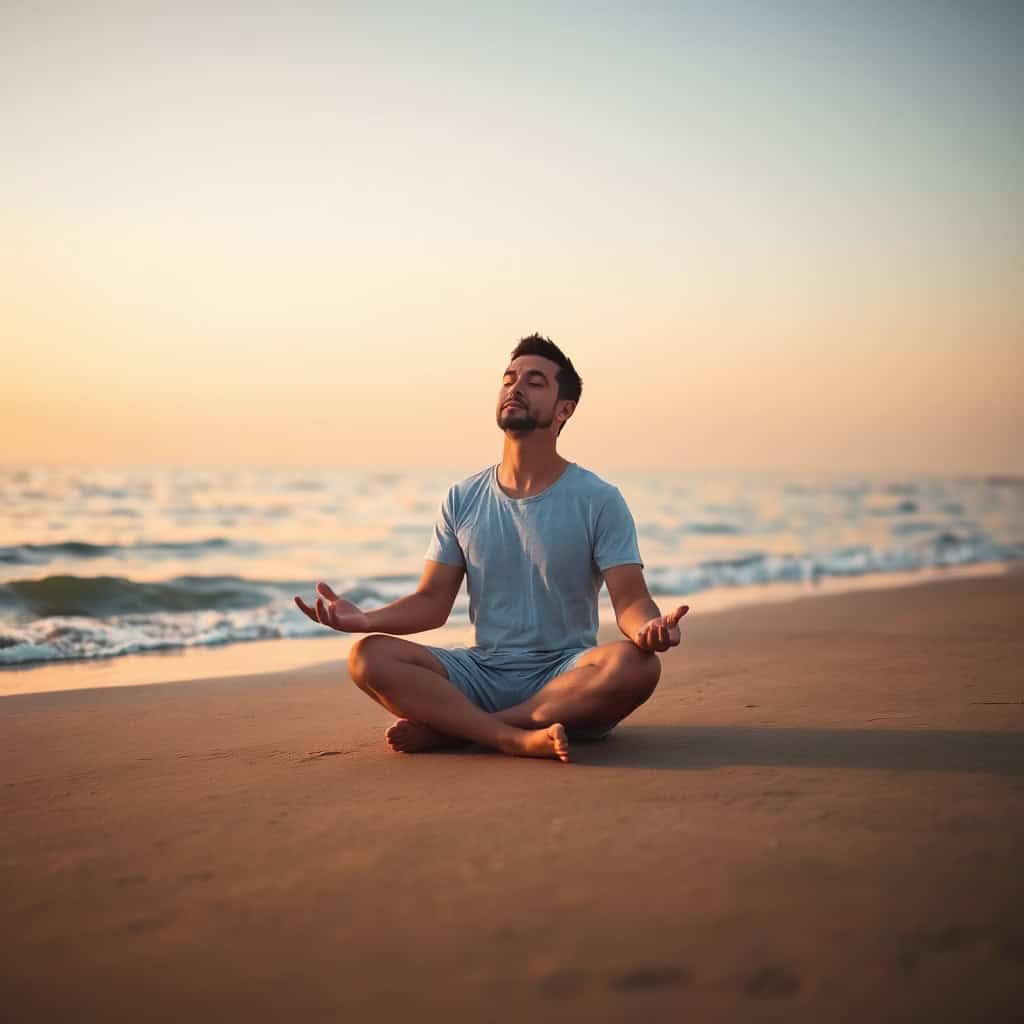
That tightness beneath your ribs before a meeting, the restless night when your mind refuses to switch off, the way a small comment can feel like a storm. Anxiety shows up like a wave: sometimes small and manageable, sometimes towering. The aim of this article is to meet you where you are with warmth, evidence, and practical tools—eleven natural ways to reduce anxiety that you can use today and keep using for the long haul.
Understanding Anxiety: When It’s a Signal and When It Becomes a Problem
Anxiety is an ancient alarm system designed to keep us alive. It nudges us to prepare, to protect, and to act. But when that alarm stays on, or rings at the wrong time, it becomes exhausting. People often confuse normal, transient worry with an anxiety disorder. The difference is how much the anxiety interferes: does it make it hard to sleep, to work, to be present with people you love? Are physical symptoms frequent—shallow breathing, a clenched jaw, a fluttering heart? Naming the pattern you’re in helps you choose the tools that will work best for you.
Real-Life Triggers and Symptoms You Might Recognize
Triggers are personal. For one person it is the pressure of a deadline, for another it is social interaction, for someone else it is bills arriving in the mail. Anxiety shows up physically and mentally. Your body might tense, your breath might shorten, you may feel restless or suddenly irritable. Recognizing your triggers and physical signs is an act of self-knowledge that empowers change rather than adding shame to the experience.
Natural Ways to Calm Anxiety Quickly (In the Moment)
There are reliable, gentle strategies that literally change your physiology within seconds. The 4-7-8 breathing exercise is one of those: breathe in quietly for four counts, hold for seven, and exhale slowly for eight. The extended exhale engages your parasympathetic nervous system and signals safety. Another immediate tool is a sensory grounding practice: bring your attention to the five things you can see, four you can touch, three you can hear, two you can smell, and one you can taste. This shifts your focus from racing thoughts to the present moment. A quick cold splash on your face or a brief walk outdoors can also trigger a calming reflex by resetting heart rate and attention. Finally, try gentle, deliberate shaking of your limbs. Releasing stored tension through movement is surprisingly effective at signaling to the brain that the moment of danger has passed.
Daily Habits That Lower Your Baseline Anxiety
Small, repeatable habits change the baseline state of your nervous system. Movement is medicine: regular gentle activity such as walking, yoga, tai chi, or dancing raises mood-regulating neurotransmitters and lowers cortisol. Sleep is foundational; consistent sleep routines reduce reactivity and make stress easier to manage. Mindfulness, practiced in short daily doses, trains your mind to notice thoughts as thoughts rather than inevitable truths. Nutritionally, foods that stabilize blood sugar and provide essential nutrients support calmer brain chemistry—leafy greens, fatty fish, legumes, whole grains, nuts, and seeds help steady your energy. At the same time, being mindful about substances that can worsen anxiety is critical. Alcohol often reduces anxiety temporarily but creates rebound anxiety later and disrupts sleep; for an in-depth look at alcohol and heart health, see our article on alcohol and blood pressure. Cannabis products, especially THC, can sometimes trigger increased heart rate and panic in susceptible people—read more in our cannabis exposé for a balanced view.
Addressing Root Causes: Connection, Nature, Creativity, and Rest
Anxiety seldom exists in a vacuum. Chronic overwhelm, isolation, and relentless schedules deepen it. Rebuilding connection is one of the most powerful natural ways to reduce anxiety. A meaningful conversation with a trusted friend, a short call with a loved one, or participating in a small group reduces loneliness and shifts perspective. Nature is restorative; short, regular exposure to green spaces lowers cortisol and interrupts cycles of rumination. Creative expression—writing, music, art, cooking—transforms internal pressure into something external and manageable. Finally, practicing strategic rest and learning to say no can dismantle the structural sources of anxiety. When we design space for recovery, we reduce the frequency and intensity of anxious spikes.
Practical Tools to Build Your Personalized Calm Kit
Building a portable set of strategies makes calm habitual. A short playlist of songs that lower your breathing, a small object to carry for grounding, a prewritten text to send to a supportive friend, a five-minute walking or breathing routine—these elements make a toolkit you can use before stress escalates. Consider a short nightly ritual that includes a brief reflection or journaling practice that externalizes worry. These micro-practices accumulate and, over weeks, shift how you respond to stress.
When Natural Strategies Aren’t Enough: Seeking Professional Care
Natural approaches are powerful, but they are not the only answer. If anxiety is persistent, significantly disrupts daily life, causes panic attacks, or is paired with depressive symptoms, professional evaluation is important. Evidence-based therapies, medication when appropriate, and guided supports like cognitive behavioral therapy and exposure therapy are effective. If you find yourself relying on alcohol, cannabis, or other substances to manage anxiety, reach out for help promptly. Recovery is usually a combination of personal strategies and professional guidance; both are strengths, not failures.
Bringing It Together: A Gentle Sample Routine
Start small. Here is a simple, compassionate sequence to try for seven days: begin the morning with three minutes of focused breathing, take a short walk mid-morning, choose one anxiety-friendly meal with protein and vegetables, practice a two-minute grounding exercise when tension rises, and keep bedtime consistent. Over time, add one creative practice and one deliberate social connection each week. These steps build cumulative resilience and make calm more accessible.
Progress, Not Perfection
Healing anxiety is rarely linear. There will be calmer days and days that feel harder. The point is steady, compassionate practice. Celebrate small wins: a shorter bout of worry, a restful night, a brave “no” that protected your time. Each choice compounds toward a more balanced life.
If you found this helpful, consider sharing it with someone who might benefit. To learn more about overlapping mental health concerns and practical resources, see our deeper coverage on mental health and recovery at Breaking the Silence on Mental Health.
References & Further Reading
- American Psychological Association — Anxiety (overview).
- National Institute of Mental Health — Anxiety Disorders (signs, symptoms, and treatment).
- Harvard Health Publishing — Relaxation techniques: Breath control helps quell errant stress response.
- Brown RP & Gerbarg PL (2005) — Sudarshan Kriya yogic breathing: physiology & clinical applications (Journal of Alternative & Complementary Medicine).
- Paluska SA & Schwenk TL (2000) — Physical activity and mental health (Sports Medicine).
- MedlinePlus — Anxiety (consumer health information).
- NAMI — Anxiety Disorders (basic facts and prevalence).
- Breaking the Silence on Mental Health — Life in Balance MD (internal)
- Ditch the Myth: A Glass of Wine Is Good for My Heart? (alcohol & blood pressure) — Life in Balance MD (internal)
- Cannabis Exposé: Myth vs. Reality — Life in Balance MD (internal)
Table of Contents
What are some natural ways to reduce anxiety quickly?
Natural techniques that calm anxiety fast include 4-7-8 breathing, grounding exercises like the 5-4-3-2-1 method, stepping outside for fresh air, using cold exposure (like splashing cool water on your face), and shaking out the tension in your arms and legs. These work by activating the parasympathetic nervous system. If your anxiety is persistent or worsening, speak to your doctor to discuss your personal situation.
Can lifestyle changes really help reduce anxiety long-term?
Yes, daily habits have a major impact on long-term anxiety levels. Gentle movement (like yoga, tai chi, walking), consistent sleep, mindfulness, and eating nutrient-dense foods all help lower the baseline level of stress hormones. These changes don’t replace medical treatment when needed, but they can significantly support your overall mental health. Always talk to your doctor to find the right plan for you.
What foods can worsen anxiety symptoms?
Foods high in caffeine, added sugars, refined carbohydrates, and ultra-processed ingredients can heighten anxiety by creating blood sugar swings and overstimulation. Alcohol and cannabis may temporarily feel calming but often worsen anxiety over time — see our in-depth alcohol and cannabis articles for more details. If food seems to impact your mood, speak to your healthcare professional for guidance tailored to your needs.
When should I seek professional help for anxiety?
If anxiety is affecting your sleep, relationships, job performance, enjoyment of life, or if symptoms are happening most days, it’s important to reach out to your doctor or a qualified mental health professional. Therapy, lifestyle strategies, and sometimes medication can work together to help you regain control. You never have to wait until things feel “severe” — early support is always better.

Life in Balance MD is led by Dr. Amine Segueni, a board-certified physician dedicated to delivering clear, evidence-based health insights. His passion is helping readers separate facts from myths to make smarter, healthier choices. Content is for educational purposes only and not a substitute for medical advice.
- Amine Segueni, MD

- Amine Segueni, MD

- Amine Segueni, MD
- Amine Segueni, MD