
Ditch the Myth: The Sleepmaxxing Myth and What Science Really Says About Better Sleep
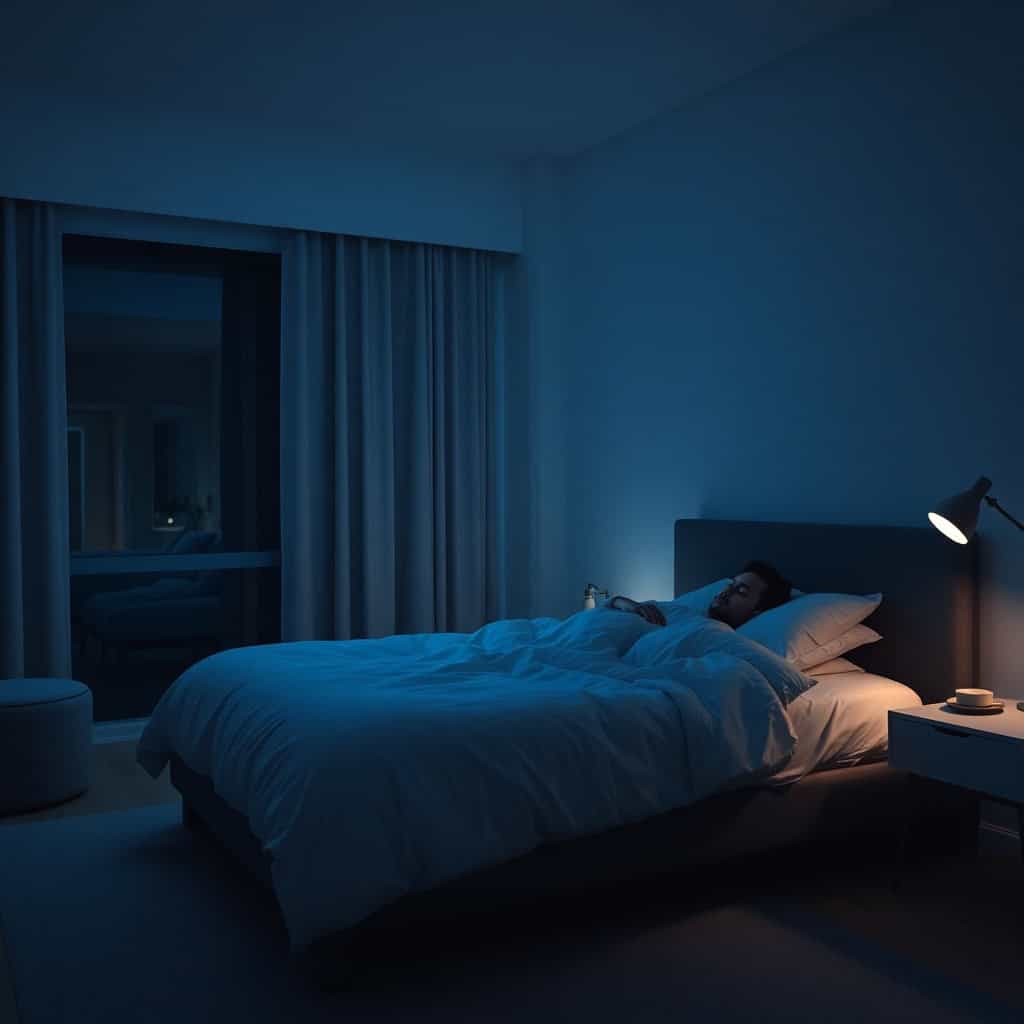
Wellness trends come and go, but few have taken over social media as quickly as the sleepmaxxing myth. The idea is simple: optimize your sleep using hacks, supplements, rituals, gadgets, or influencer-approved routines. Scroll TikTok, and you’ll find everything from magnesium mocktails to red-light therapy to mouth-taping tutorials promising deeper, more restorative sleep.
Some of these tips are rooted in evidence—and some are… aspirational at best. Others can even backfire or cause anxiety about sleep. Let’s explore where the sleepmaxxing myth aligns with science, where it outruns the evidence, and what actually helps most people sleep better. As always, speak with your doctor to discuss your personal case and any underlying sleep concerns.
What Is Sleepmaxxing—and Why Is Everyone Talking About It?
At its best, sleepmaxxing encourages healthy routines: consistent bedtimes, reducing screens before bed, relaxing evening rituals, keeping your room cool and dark, and avoiding late caffeine. These are core sleep hygiene principles backed by research.
The challenge is that social media often pushes the idea that perfect sleep is a product, a hack, or a biohacking experiment. That’s where the sleepmaxxing myth begins to drift away from reality.
Where Sleepmaxxing Is Backed by Science
Several foundational habits promoted by sleepmaxxing genuinely support better rest:
Consistent sleep and wake times: This strengthens your circadian rhythm and improves sleep quality.
Cool, dark rooms: Studies show that temperatures around 60–67°F support deeper sleep cycles.1
Limiting screens before bed: Reducing blue light helps melatonin production naturally.
Magnesium for mild insomnia: A randomized double-blind placebo-controlled crossover pilot trial on adults with nonclinical insomnia suggests magnesium supplementation may be an effective non-pharmacological intervention to promote sleep and mood. 2
These habits are simple, effective, and accessible. But they often get overshadowed by more dramatic, less evidence-based claims.
Where the Sleepmaxxing Trend Starts to Outrun the Evidence
Many sleepmaxxing hacks sound convincing, but the science doesn’t always match the hype.
What Sleepmaxxing Promises vs. What Evidence Shows
Promise: Mouth-taping ensures nasal breathing and better sleep.
Evidence: The Otolaryngology–Head & Neck Surgery suggests that it may be important to maintain airflow in some patients with nasal obstruction and cautions against mouth taping for patients with sleep apnea3
Promise: “Sleepy girl mocktail” (tart cherry juice + magnesium powder) is a magic fix for insomnia.
Evidence: Harmless, but not a cure—helps some people unwind, but doesn’t treat chronic sleep issues.
Promise: Red light therapy resets your circadian rhythm.
Evidence: May help some users relax; evidence is early and modest.
Promise: Eating kiwi improves sleep for everyone.
Evidence: A 2011 study showed improved sleep efficiency in adults with self-reported insomnia—but results were mild.4
Promise: Daily melatonin is safe and natural.
Evidence: Best for short-term use or jet lag; long-term use and high doses may disrupt REM sleep.5
If mouth-taping or a mocktail genuinely helps you wind down—and your doctor has cleared it—great. The issue is when these tools are marketed as universal cures or replacements for medical care.
The Silent Side Effect: When Tracking Sleep Becomes Stressful
One trend strongly linked to the sleepmaxxing myth is orthosomnia—anxiety driven by trying to perfect your sleep data. Wearables and apps can be helpful, but obsessing over sleep scores often leads to worse sleep overall. The original 2017 study found that people became increasingly distressed when their data didn’t match their expectations.6
When “optimizing sleep” becomes a nightly performance, rest turns into stress. And stress is one of the most powerful disruptors of sleep.
The Privilege Problem: Sleep Isn’t the Same for Everyone
Another overlooked reality: many sleepmaxxing routines assume you can buy specialized tools, maintain the perfect environment, and follow a strict schedule. But not everyone has access to a quiet room, predictable hours, or flexible mornings. Parents, caregivers, shift workers, and medical professionals often operate within constraints that sleepmaxxing ignores.
Improving sleep should never feel like an exclusive club or a luxury hobby. Real sleep health must be adaptable, affordable, and guilt-free.
If We’re Ditching Myths, Let’s Start with This One
The core message behind the sleepmaxxing myth is that sleep can be hacked or engineered. But sleep isn’t a project—it’s a biological rhythm. The most effective interventions are often the simplest:
7–9 hours of sleep
Regular timing
Morning sunlight
Limited screens in the evening
Reduced caffeine after noon
Stress management and wind-down rituals
A cool, dark, quiet room
None of these are flashy. All of them are effective.
If you have persistent insomnia, snoring, daytime fatigue, or concerns about sleep apnea, speak with your doctor to discuss your personal case. No hack—however viral—can replace a proper evaluation.
Internal Links and Helpful Resources
Curious about other viral wellness myths? Explore our evidence-based breakdown of whether Vitamin C can cure the common cold.
Find more science-backed insights in our Health Insights section.
Conclusion: Your Body Knows How to Sleep
The sleepmaxxing myth reflects a real desire for rest in an overstimulated world. But sleep isn’t about perfection or performance. It’s about consistency, calm, and creating space for your body to do what it is already designed to do.
Build the habits that matter, skip the pressure, and remember: good sleep isn’t a hack—it’s a human right.
References
1. Best Temperature for Sleep — Sleep Foundation: https://www.sleepfoundation.org/bedroom-environment/best-temperature-for-sleep
2. The Mechanisms of Magnesium in Sleep Disorders — NIH: https://pubmed.ncbi.nlm.nih.gov/33715111/
3. Mouth Closure and Airflow in Patients With Obstructive Sleep Apnea-
A Nonrandomized Clinical Trial: https://aasm.org/advocacy/position-statements/mouth-taping-for-sleep-disordered-breathing/
4. Kiwi and Sleep Study — PubMed (2011): https://pubmed.ncbi.nlm.nih.gov/21669584/
5. Sleep Foundation — Melatonin: usage, safety, and guidance: https://news.mit.edu/2022/melatonin-supplements-0209
6. Orthosomnia — Baron et al., Journal of Clinical Sleep Medicine (2017):
https://pmc.ncbi.nlm.nih.gov/articles/PMC5263088/
Table of Contents
What is sleepmaxxing and does it actually work?
Sleepmaxxing is a trend focused on optimizing sleep through hacks like magnesium supplements, mouth-taping, cold rooms, and wearable tracking. Some elements are evidence-based (like consistent sleep schedules and cooler bedroom temperatures), but many viral tips don’t work for everyone. The basics—regular sleep times, reduced screen exposure, and a healthy lifestyle—remain the most effective.
Is mouth-taping safe for better sleep?
Mouth-taping is not recommended by sleep experts and can be dangerous, especially for people with sleep apnea or nasal obstruction. The American Academy of Sleep Medicine (AASM) advises against it because it can restrict airflow and delay real treatment. Always talk to your doctor before trying this viral trend.
Does magnesium help you sleep better?
Magnesium can help some people with mild insomnia by supporting relaxation and reducing sleep latency. A 2021 meta-analysis shows modest benefit, but it’s not a cure-all, and the effects vary widely among individuals. It’s generally safe, but you should discuss dosing with your doctor.
Are “sleepy girl mocktails” effective for sleep?
The popular “sleepy girl mocktail” (tart cherry juice + magnesium powder) may offer mild benefits because tart cherries contain melatonin and magnesium supports relaxation. However, it’s not a guaranteed fix, and evidence is limited. It works best as part of a consistent nighttime routine rather than a standalone solution.
Is it bad to use sleep trackers or apps every night?
Not inherently—but over-focusing on sleep data can lead to orthosomnia (sleep anxiety caused by chasing “perfect” sleep scores). If tracking makes you stressed or more awake, it may be better to limit use or switch to a simpler nighttime routine.

Life in Balance MD is led by Dr. Amine Segueni, a board-certified physician dedicated to delivering clear, evidence-based health insights. His passion is helping readers separate facts from myths to make smarter, healthier choices. Content is for educational purposes only and not a substitute for medical advice.
- Amine Segueni, MD

- Amine Segueni, MD

- Amine Segueni, MD
- Amine Segueni, MD