
Ditch the Myth: The Evidence-Based Truth About Seed Oils, Inflammation, and Your Health
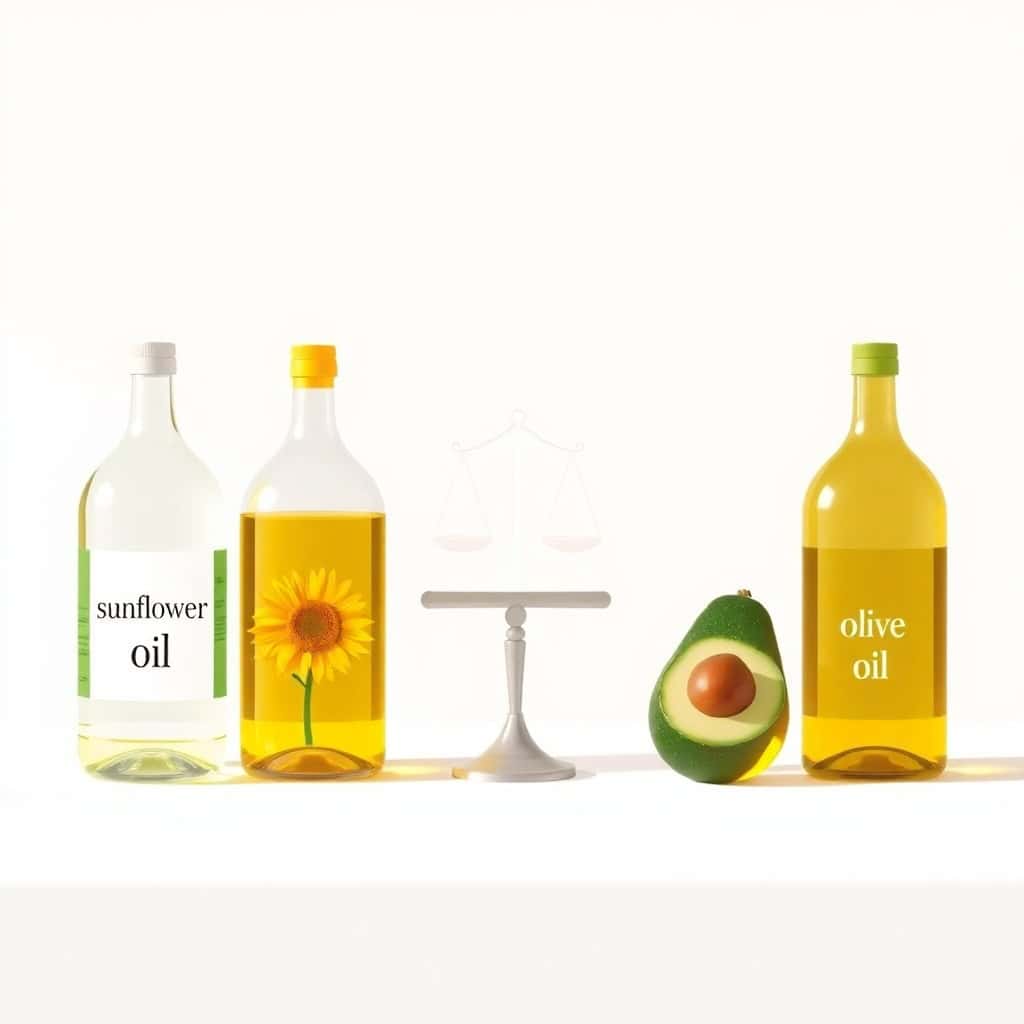
In the swirling vortex of wellness trends and nutritional fear-mongering, few ingredients have been demonized as aggressively as seed oils. Canola, sunflower, safflower, and soybean oils are routinely branded as toxic, inflammatory, and direct drivers of chronic disease by influential voices across social media. This narrative has pushed many health-conscious individuals to eliminate these oils entirely—but the evidence tells a very different story.
When examined through the lens of rigorous nutritional science rather than viral wellness content, the seed oils inflammation myth collapses quickly. The relationship between seed oils, omega-6 fatty acids, inflammation, and chronic disease is far more nuanced—and far less alarming—than popular discourse suggests.
What Seed Oils Actually Are—and Why the Controversy Exists
Seed oils are fats extracted from plant seeds and are naturally rich in polyunsaturated fats, particularly omega-6 linoleic acid. This biochemical characteristic sits at the heart of the controversy. Critics argue that modern diets contain excessive omega-6 fats relative to omega-3s, allegedly driving chronic inflammation and disease.
While it’s true that the omega-6 to omega-3 ratio has widened in Western diets, the leap from “imbalance” to “toxicity” is unsupported by human evidence. This oversimplified narrative ignores how linoleic acid actually behaves in the body.
The Omega-6 Inflammation Myth: What Human Research Shows
Linoleic acid is an essential fatty acid—your body cannot synthesize it. Once consumed, it participates in complex metabolic pathways that can yield both pro- and anti-inflammatory compounds depending on overall dietary context. This complexity is precisely why reductionist claims fail.
Large-scale human studies, including systematic reviews and meta-analyses, consistently show no association between higher linoleic acid intake and increased inflammatory markers. In many cases, replacing saturated fats with polyunsaturated fats from seed oils is associated with reduced inflammation and improved metabolic outcomes.
Are Seed Oils Toxic? Addressing Processing and Trans Fat Claims
Another common argument suggests that industrial processing renders seed oils inherently toxic. In reality, modern refining is designed to remove impurities, pesticide residues, and oxidation products. Claims of widespread chemical contamination are unsupported by regulatory monitoring data.
Concerns about trans fats are similarly exaggerated. Modern refined seed oils typically contain less than 1% trans fat—dramatically lower than the partially hydrogenated oils banned for cardiovascular risk. These trace amounts are comparable to naturally occurring trans fats found in animal products.
Seed Oils and Heart Disease: Why the Evidence Is So Strong
Replacing saturated fats with polyunsaturated fats is one of the most consistently validated strategies for lowering LDL cholesterol and reducing cardiovascular risk . This effect has been demonstrated across randomized controlled trials, cohort studies, and mechanistic research.
As a result, major organizations—including the American Heart Association and World Health Organization—continue to recommend seed oils as part of a heart-healthy diet. The claim that these oils cause heart disease directly contradicts decades of high-quality evidence.
Why the Seed Oil Myth Became So Popular
The myth thrives because it offers a simple villain. “Processed equals poison” is an emotionally compelling narrative, even when it lacks scientific grounding. Selective animal studies, isolated biochemical pathways, and anecdotal testimonials are often presented as definitive proof.
When people remove seed oils alongside ultra-processed foods and excess sugar, health improvements are often incorrectly attributed to oil elimination rather than overall dietary quality.
How to Use Seed Oils Wisely—Without Fear
Seed oils are well-suited for medium-heat cooking, baking, and dressings. Extremely high-heat applications may benefit from more stable fats like refined olive oil or avocado oil. The key principle applies universally: avoid overheating any fat to the point of smoking.
A balanced diet rich in whole foods and omega-3 sources remains far more important than eliminating a specific oil. Using canola or sunflower oil appropriately is not a health risk.
Scientific References & Evidence
1. American Heart Association. There’s No Reason to Avoid Seed Oils and Plenty of Reasons to Eat Them. American Heart Association. This article explains that omega-6 fats are not inherently pro-inflammatory and seed oils can be part of a heart-healthy diet. :contentReference[oaicite:0]{index=0}
2. Cochrane Library. Omega-6 Fats to Prevent and Treat Heart and Circulatory Diseases. Cochrane Systematic Review. This review found that increasing omega-6 fats may reduce blood cholesterol and possibly heart attack risk, without clear evidence of harm. :contentReference[oaicite:1]{index=1}
3. PubMed – Scientific Evidence on Omega-6 PUFAs. ω-6 Polyunsaturated Fatty Acids and Cardiometabolic Health: Current Evidence. Vol. 2023;30184091. This meta-analysis shows that omega-6 PUFAs (like linoleic acid in seed oils) are associated with reduced LDL cholesterol and lower cardiometabolic risk and do not support the idea of increased inflammation. :contentReference[oaicite:2]{index=2}
4. Johns Hopkins Bloomberg School of Public Health. The Evidence Behind Seed Oils’ Health Effects. Johns Hopkins University. A thorough review of cohort and controlled trials showing higher linoleic acid levels are linked to lower cardiovascular disease risk and improved cholesterol profiles. :contentReference[oaicite:3]{index=3}
5. ScienceDaily report on American Society for Nutrition research. Myth-busting Study Shows Controversial Seed Oils Reduce Inflammation. ScienceDaily. Reports new research associating higher linoleic acid with lower inflammation biomarkers and better cardiometabolic health. :contentReference[oaicite:4]{index=4}
6. Center for Science in the Public Interest. Seed Oils: Are They Healthy or Harmful?. CSPI. Provides balanced insight into omega-6 and omega-3 fatty acid biochemistry, clarifying misconceptions about inflammation and the omega-6:omega-3 ratio. :contentReference[oaicite:5]{index=5}
7. U.S. Canola Association (industry-supported evidence). Data Support Health Benefits of Seed Oils High in Unsaturated Fatty Acids. U.S. Canola Association. Summarizes large population studies showing seed oil intake is associated with lower CVD risk and no increase in inflammation. :contentReference[oaicite:6]{index=6}
Table of Contents
1. Do seed oils cause systemic inflammation?
Systematic reviews of over 15 randomized controlled trials (RCTs) show that increasing linoleic acid (the main Omega-6 in seed oils) does not raise inflammatory markers in humans. In fact, large-scale studies in 2024 and 2025 found that people with the highest levels of Omega-6 in their blood often have the lowest levels of inflammation.
2. Doesn’t Omega-6 turn into pro-inflammatory arachidonic acid?
While this pathway exists, the conversion is strictly regulated by the body. Only about 0.2% of dietary linoleic acid is converted to arachidonic acid. Furthermore, arachidonic acid also produces anti-inflammatory signaling molecules that help resolve inflammation and heal tissue.
3. Are seed oils “toxic” because they are highly processed?
The Myth: The use of heat and chemical solvents like hexane makes these oils toxic.
The Evidence: Hexane is used as a solvent, but it is removed during the refining process; the tiny trace amounts left are far below safety limits (often less than what occurs naturally in other foods). While high heat can degrade oils, most seed oils have high smoke points, making them more stable for cooking than unrefined oils like extra-virgin olive oil in high-heat scenarios.
4. Is the Omega-6 to Omega-3 ratio the most important health metric?
Most nutrition scientists now agree that the absolute amount of Omega-3s you eat is more important than the ratio. Increasing your Omega-3 intake (from fish or flax) provides heart benefits regardless of your seed oil intake. There is no clinical evidence that “diluting” Omega-6 improves health if Omega-3 levels are already sufficient.
5. Do seed oils oxidize in the body and cause “sludge”?
All polyunsaturated fats can oxidize, but seed oils naturally contain Vitamin E, a powerful antioxidant that protects the oil from oxidation. Human trials show that replacing saturated fats (like butter or lard) with seed oils consistently lowers LDL (bad) cholesterol and reduces the risk of cardiovascular events.
6. Why do I feel better when I stop eating seed oils?
This is usually a “correlation vs. causation” error. The primary source of seed oils in the modern diet is ultra-processed food (chips, cookies, fast food). When you cut “seed oils,” you usually cut out refined sugar, excess sodium, and high-calorie processed snacks. You feel better because you’re eating whole foods, not because you removed the oil itself.
7. Are seed oils “industrial” lubricants?
This is a marketing tactic, not a medical fact. While some vegetable oils (like rapeseed) had industrial uses, the food-grade versions (like Canola) were specifically bred and refined for human consumption and safety. Many things have dual uses—for example, water is used in industrial cooling, but that doesn’t make it “industrial water.”

Life in Balance MD is led by Dr. Amine Segueni, a board-certified physician dedicated to delivering clear, evidence-based health insights. His passion is helping readers separate facts from myths to make smarter, healthier choices. Content is for educational purposes only and not a substitute for medical advice.
- Amine Segueni, MD

- Amine Segueni, MD
- Amine Segueni, MD

- Amine Segueni, MD